Office conversion to apartments
Category
Case StudiesAn eye for value
The client brief was to review an existing B grade office building to determine whether a conversion to residential was the optimum risk adjusted return. This was a two-stage engagement allowing the stakeholders an opportunity to review the analysis prior to commencing the next stage.
SECTOR
Residential
VALUE
$80M
Insight
The first stage desk top assessment involved a review of the existing asset, the current and future residential and office markets, planning controls, and feasibility assessment. The location, access to the CBD, views and other nearby amenity and infrastructure were also instrumental in recommending to pursue the opportunity.
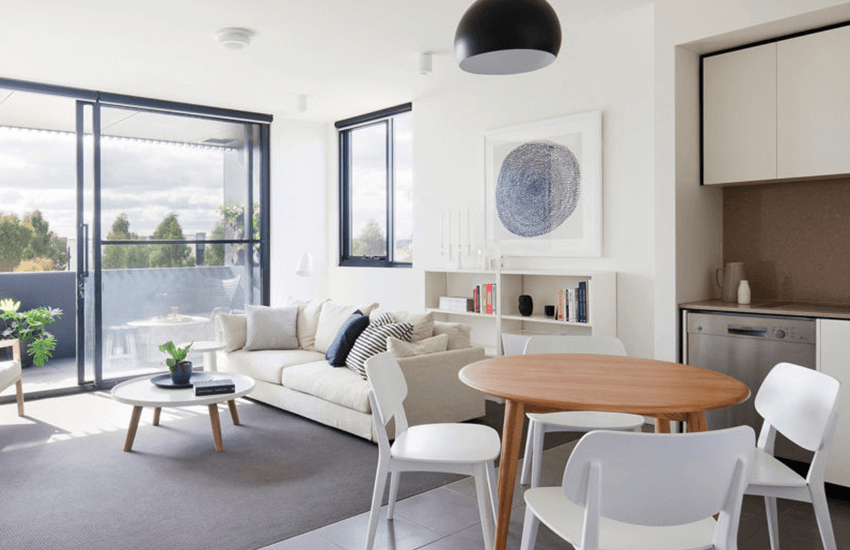
During the second stage, the physical building fabric was surveyed and assessed in detail bringing critical issues to the fore. Previous building permit approvals, earthquake structural upgrades, fire engineering review of altering fire escapes, daylighting assessment of an existing building, different services loads all needed to be considered while simultaneously developing the design brief for a premium luxury apartment development.
With the physical risks mitigated, an impressive apartment scheme driving strong revenue, the residual feasibility delivered a compelling proposition. What was interesting though was during the design and feasibility period, the office market was steadily improving. It made for an interesting comparison of the residual value of the residential conversion versus the value of the existing office building. At what price differential is the development risk compelling?